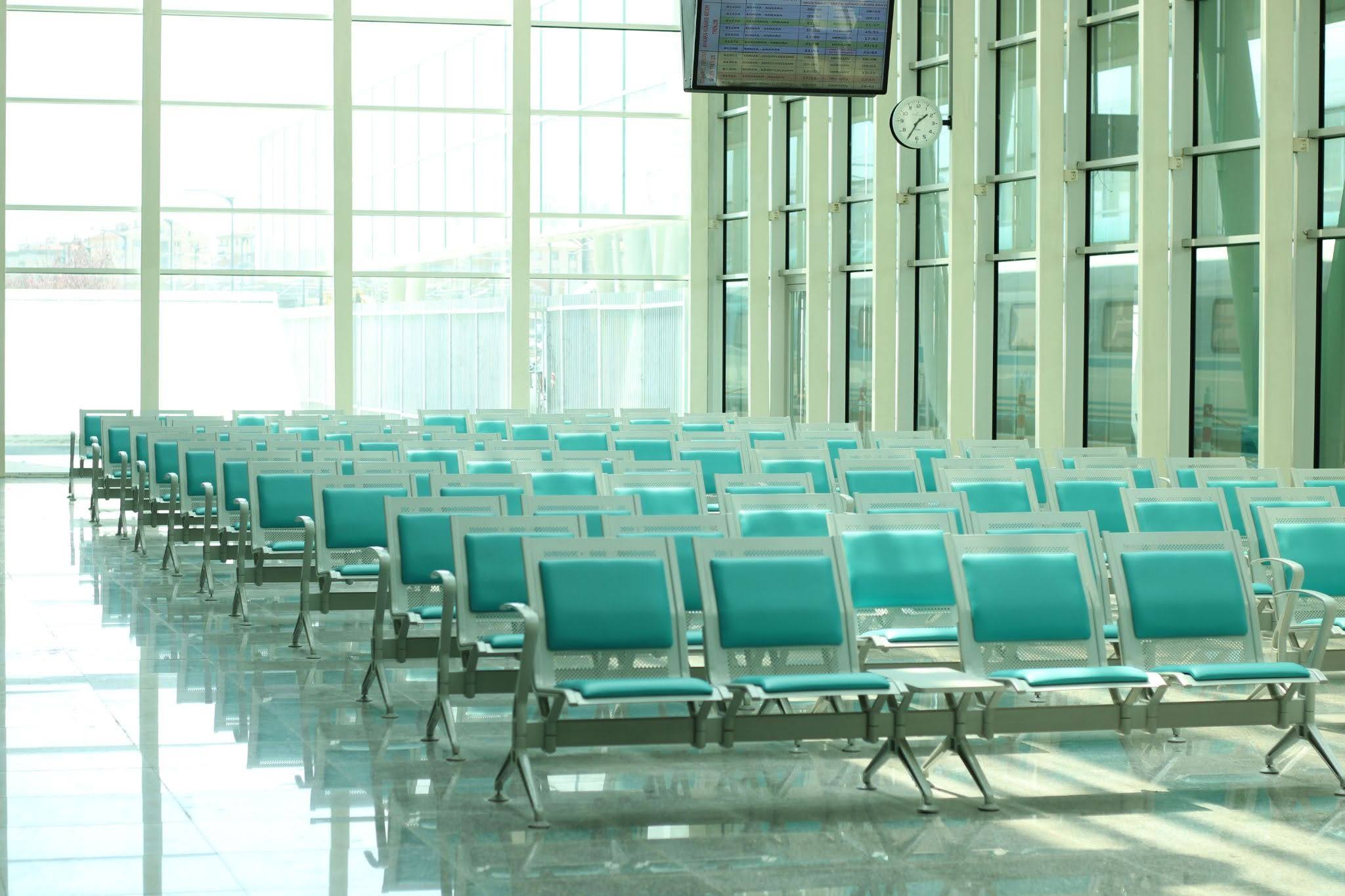

We can all picture it. Sitting in a crowded room with flickering overhead lights, watching a digital clock tick past midnight while holding a plastic clipboard. The emergency room waiting area has long been accepted as an uncomfortable right of passage when something goes wrong with our health. We sit, we wait, and we assume that because we are inside a hospital building, we are in the safest possible place.
Yet the reality of modern healthcare is proving that this assumption is broken. Sitting in a room filled with dozens of sick people for six, eight, or twelve hours before seeing a doctor is no longer just an uncomfortable nuisance. It is becoming one of the most dangerous parts of the entire medical journey.
Recent headlines across the healthcare world have pointed to a growing pattern of overcrowding and severe delays in traditional emergency departments. The conversation is shifting away from simple customer inconvenience toward a much more serious question about safety. When a person with a severe illness or a spiking fever sits in a chair for half a day just to get checked in, their condition does not stay on pause. Illness moves fast, and our current system of keeping people stuck in waiting rooms is simply not keeping up.
The Design System Itself
The problem is not a lack of caring doctors or dedicated nurses. The clinical staff inside these buildings are working flat out, running from room to room, and doing everything humanly possible to manage the endless stream of patients walking through the door. The failure lies in the design of the system itself. We have built a world where the physical hospital building is treated as the one and only front door for acute medical care.
When every single person with an urgent health problem is funneled through the exact same physical hallway, the system inevitably clogs up. People who need straightforward medical attention, such as intravenous fluids, continuous monitoring, or basic diagnostic testing, end up trapped in the same gridlock as major trauma cases. This creates an environment where care is delayed, stress levels skyrocket, and the risk of simple oversight grows by the hour.
An Alternative to Physical Location
Lon Hecht, the CEO of Care2U, has been vocal about why this traditional model is reaching its absolute limit. From his perspective, the physical emergency room is simply taking on more pressure than it was ever designed to handle. Trying to solve this problem by building larger waiting rooms or adding a few extra chairs is like trying to fix a traffic jam by making the parking lot bigger. It does not address the core issue, which is that too many people are being forced to travel to a single physical location just to receive high quality care.
The solution lies in changing where that care actually happens. Instead of making sick people travel through traffic, navigate parking garages, and sit in germ filled rooms, the future of medicine is moving toward delivering full clinical capabilities directly into the living room. Hospital at-home care is proving that a patient couch can be a much safer, quieter, and more effective place to heal than a noisy hallway bed.
When a care team arrives at a person’s front door, the entire dynamic changes. The medical team can focus completely on one individual without the constant alarms and chaotic distractions of a busy ward. The patient stays comfortable in their own environment, surrounded by their family, and completely isolated from the infectious illnesses lingering in public waiting areas. Most importantly, treatment starts almost immediately, cutting out the dangerous hours of waiting around that usually happen before a doctor even takes a look.
The new healthcare system solution
Care2U brings high-acuity medical treatment directly to a patient’s living room, delivering full clinical capability at a fraction of the traditional cost. By dispatching clinical teams straight to the patient home, health systems can resolve acute illnesses quickly without forcing people to endure grueling wait times in overcrowded facilities.
Shifting acute medical care away from centralized facilities is not about replacing traditional hospitals entirely. We will always need emergency rooms for major physical trauma, complex surgeries, and critical life saving interventions. But using a brick and mortar building as the default destination for every single acute illness is an outdated habit that we need to break.
As healthcare continues to evolve, the goal should be to bring high quality clinical support straight to the patient before minor delays turn into major complications. By removing the physical friction, irritability and uncomfortable atmosphere of the waiting room, we can protect hospital capacity for the people who truly need it while giving everyone else a faster, safer, and far more human way to get better.